
Views: 0 Author: Site Editor Publish Time: 2026-01-23 Origin: Site
When designing a commercial space or upgrading a home entertainment area, the choice of furniture can define the entire atmosphere. Bar tables are a focal point—places where people gather, drinks are poured, and conversations flow. Among the many material options available, the solid surface bar table stands out as a top contender for both style and durability.
But what exactly is it? Why are designers and business owners increasingly choosing this material over traditional wood or stone?
A solid surface bar table is crafted from a man-made composite material, typically a blend of acrylic or polyester resins and natural minerals. This unique composition creates a non-porous, uniform surface that is incredibly resilient. Unlike natural stone, which can harbor bacteria in tiny crevices, solid surface materials are seamless and hygienic. They offer a sleek, modern aesthetic that can be customized to fit any design vision, making them a smart investment for high-traffic environments.
Understanding the specific traits of this material helps explain its popularity. A solid surface table is defined by its engineering, which addresses many of the common pitfalls of natural materials.
The primary characteristic is its non-porous nature. This means liquids cannot penetrate the surface, making it highly resistant to stains—a crucial feature for any bar setting where spills are inevitable. Additionally, the color and pattern run all the way through the material. If the surface gets scratched, it can often be sanded down and buffed back to its original finish, a benefit you simply don't get with laminates or plated metals.
Here is a quick comparison of characteristics:
Feature | Solid Surface | Natural Stone (e.g., Granite) | Laminate |
|---|---|---|---|
Porosity | Non-porous (Hygienic) | Porous (Needs sealing) | Non-porous (but seams can peel) |
Repairability | High (Sandable) | Low (Hard to repair) | Low (Cannot be repaired) |
Seamlessness | Invisible seams | Visible seams | Visible seams |
Maintenance | Low | High (Periodic sealing) | Low |
The decision often comes down to longevity and hygiene. A solid surface table top is practically built for the hospitality industry.
In a busy bar or restaurant, tables endure constant use. Glasses are slammed down, cutlery is dropped, and cleaning chemicals are sprayed repeatedly. Solid surface materials are chemically resistant and withstand these daily abuses without degrading. Because they are seamless, there are no gaps for crumbs or moisture to accumulate, preventing mold and bacterial growth. This makes maintaining health code standards significantly easier.
Furthermore, the design flexibility is unmatched. These tops can be thermoformed—heated and bent—into curved shapes or unique profiles that wood and stone cannot easily achieve. Whether you want a glowing, translucent bar top or a classic stone look without the maintenance, solid surface delivers.
Yes, specific formulations are excellent for the outdoors. While UV exposure can affect some materials, high-quality solid surface options are designed to resist environmental pollutants, humidity, and freeze-thaw conditions.
As noted by Surface Solution, these table tops have low moisture absorption and are impact-resistant, making them a robust choice for patio dining or rooftop bars. Unlike wood which might rot or warp, or metal which can rust, a solid surface table maintains its integrity against the elements. If you are planning an outdoor space, always check the manufacturer's specifications regarding color fastness and UV resistance to ensure the longevity of vibrant colors under direct sunlight.
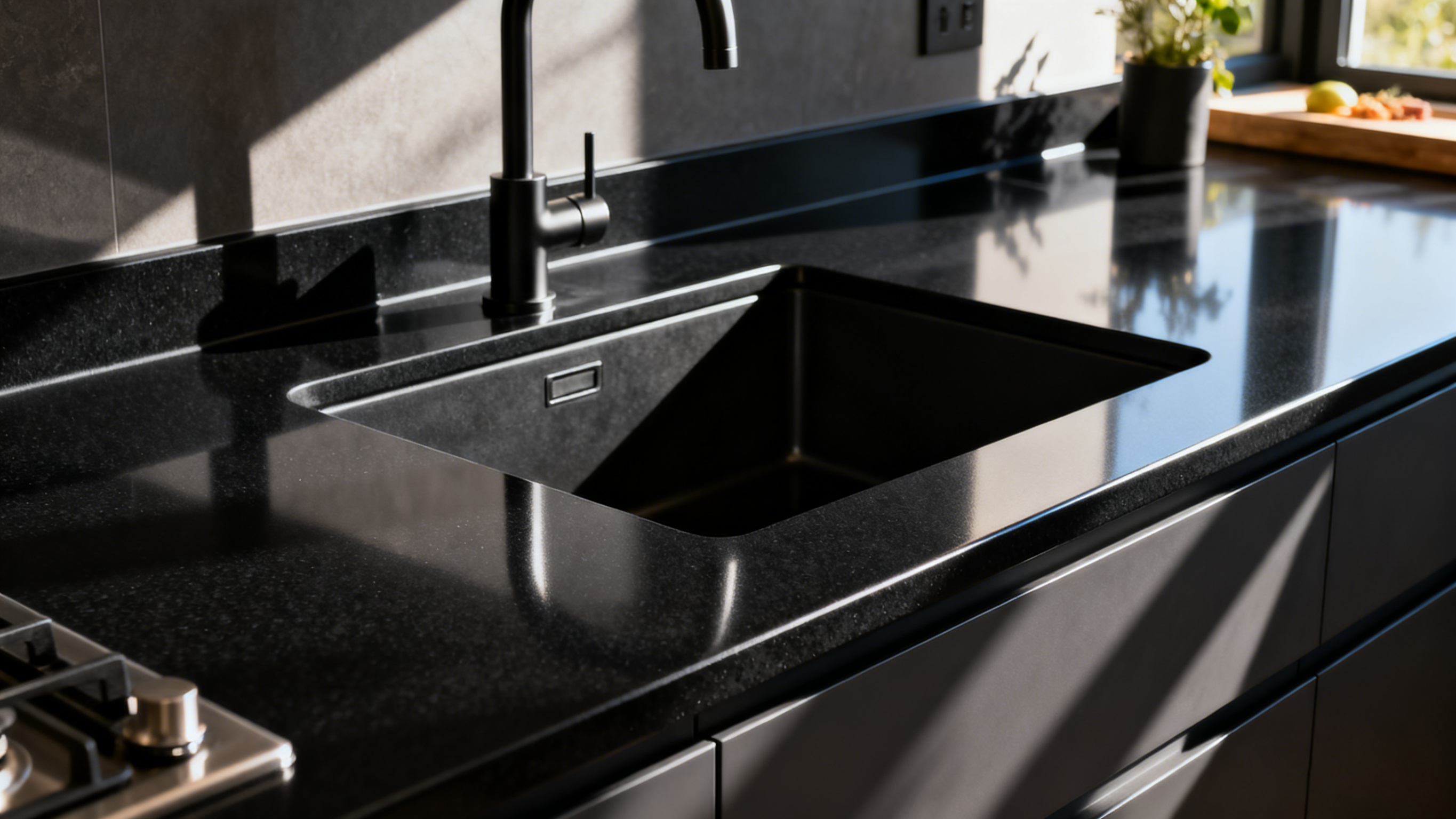
Maintenance is surprisingly simple, which is a major selling point.
For daily cleaning, soapy water or an ammonia-based cleaner is usually sufficient to remove dirt and residue. You don't need expensive specialty sealants or waxes.
If a solid surface bar table sustains a minor burn mark or a scratch, it isn't ruined. Because the material is homogeneous, you can often repair it on-site with an abrasive cleaner and a scouring pad, or fine-grit sandpaper for deeper cuts. This repairability means your furniture can look brand new for years, protecting your investment long-term.
While upfront costs can be higher than laminate or some woods, the total cost of ownership is often lower.
Think of it as a long-term investment. A laminate table might need replacing after a few years of heavy wear and tear. A natural stone table might require regular professional sealing to prevent staining. A solid surface table, however, endures. Its ability to be repaired rather than replaced extends its lifecycle significantly.
Material | Initial Cost | Maintenance Cost | Lifespan |
|---|---|---|---|
Solid Surface | Moderate - High | Low | Very Long |
Granite/Marble | High | Moderate | Long |
Wood | Moderate | High | Moderate |
Laminate | Low | Low | Short |
Choosing the right furniture is about balancing aesthetics with practicality. A solid surface bar table offers the best of both worlds: the elegance of stone with the resilience of modern engineering. Whether you are outfitting a high-energy nightclub, a cozy cafe, or a personal patio, this material provides a durable, hygienic, and stylish solution that stands the test of time.
If you are looking for a surface that can handle the spills, thrills, and chills of daily life while looking impeccable, solid surface is the answer.


